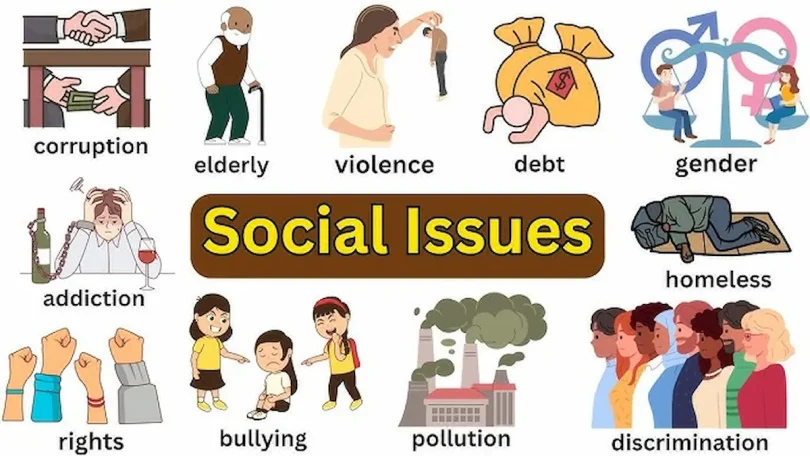

Keeping up with social issues news today is more important than ever. In a world that’s constantly changing, social challenges—from economic inequality to climate crises—affect millions of lives every day. Understanding these issues is not just about staying informed; it helps us engage in meaningful conversations, advocate for change, and contribute to building a fairer society.
In this article, we’ll explore the latest developments in key social issues, explain why they matter, and provide practical ways for you to stay updated.
1. Income Inequality: The Growing Divide
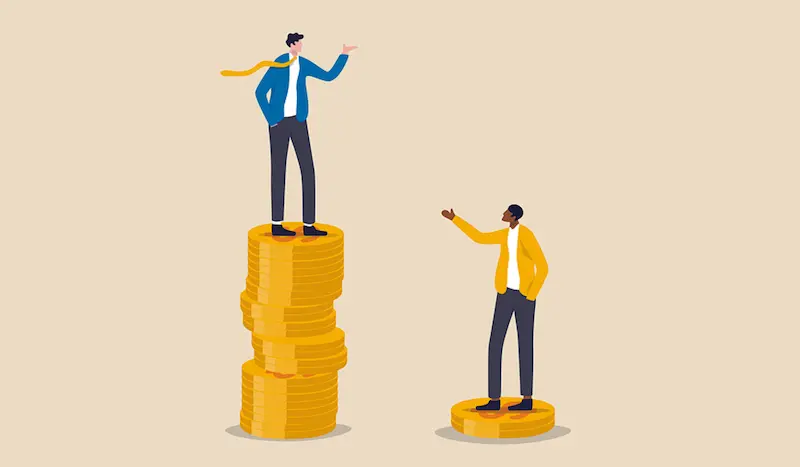
One of the most pressing social issues today is income inequality. Across the globe, wealth is increasingly concentrated among a small fraction of the population. Recent social issues news today highlights how the pandemic and economic shifts have widened the gap between the rich and the poor.
- Key Facts: In many countries, the top 1% hold more wealth than the bottom 50% combined.
- Impact: Families struggle to meet basic needs like housing, food, and healthcare. Children in low-income families face limited access to education, affecting their future opportunities.
- Recent Developments: Governments are considering tax reforms, minimum wage increases, and social welfare programs. NGOs and social enterprises are launching initiatives to support marginalized communities.
Understanding income inequality helps us see why policies, philanthropy, and community action are so crucial in today’s society.
2. Climate Change and Environmental Justice
Environmental issues are no longer just scientific concerns—they are urgent social issues today affecting human lives directly. Communities in low-lying coastal areas, arid regions, or industrial zones are disproportionately impacted by climate change.
- Key Concerns: Rising sea levels, extreme weather events, pollution, and deforestation.
- Social Angle: Vulnerable communities often lack the resources to protect themselves, leading to displacement, health risks, and economic hardship.
- Recent News: Coverage has highlighted climate strikes, government pledges to reduce carbon emissions, and innovative community solutions like urban green spaces and sustainable agriculture programs.
By paying attention to climate justice, we connect environmental sustainability with human rights, equity, and the well-being of future generations.
3. Healthcare Access: A Global Challenge
Access to quality healthcare is a fundamental social issue. Despite medical advancements, millions worldwide face barriers to getting proper care.
- Key Issues: Rising medical costs, uneven distribution of hospitals and clinics, and lack of trained professionals in rural areas.
- Social Implications: Poor health can trap families in cycles of poverty, reduce workforce productivity, and exacerbate social inequalities.
- Latest Developments: Social issues news today reports initiatives like free vaccination campaigns, mobile health clinics, and telemedicine platforms aimed at reaching underserved populations.
Healthcare is more than medicine—it’s a cornerstone of social justice, highlighting the need for equitable systems that serve everyone.
4. Education Inequality: The Opportunity Gap
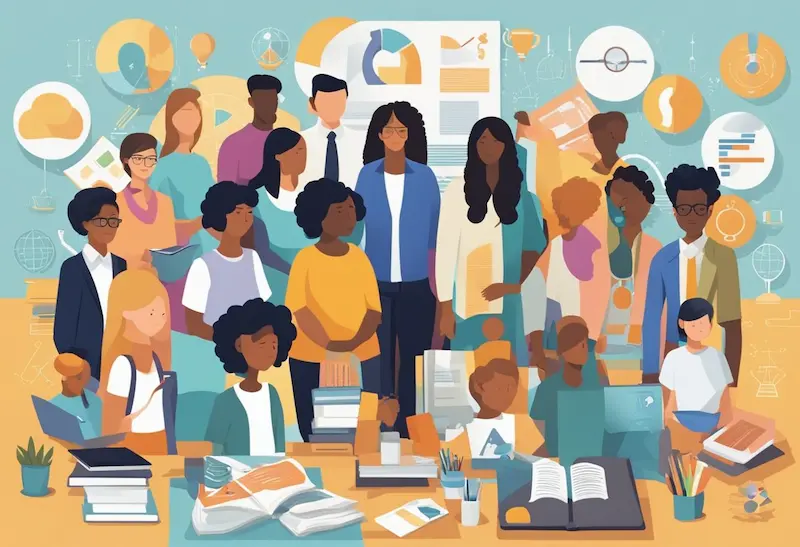
Education shapes the future of societies, yet inequality in education remains a critical social issue. The pandemic revealed deep disparities in access to technology and learning opportunities.
- Key Challenges: Rural schools often lack internet connectivity, resources, and trained teachers. Gender gaps in education persist in many regions, limiting opportunities for girls.
- Impact: Students from underprivileged backgrounds struggle to compete academically and professionally.
- Current Developments: Governments and NGOs are implementing digital classrooms, scholarships, and skill-building programs to bridge the gap.
Education inequality reminds us that social issues aren’t just abstract—they directly influence life outcomes and social mobility.
5. Mental Health Awareness: Breaking the Stigma
Mental health is finally being recognized as a vital social issue. Anxiety, depression, and stress-related disorders are increasingly affecting people of all ages.
- Why It Matters: Poor mental health impacts work performance, relationships, and overall quality of life.
- Current Focus: News stories highlight the rise of online therapy platforms, workplace mental health programs, and community counseling initiatives.
- Social Perspective: Addressing mental health is tied to reducing stigma, promoting empathy, and creating supportive environments.
By paying attention to mental health developments in social issues news today, we can contribute to a more compassionate society.
6. Gender Equality and Social Justice
Gender equality remains at the forefront of social discussions. While progress has been made, challenges persist across employment, political representation, and societal norms.
- Current Trends: Social issues news today reports movements advocating equal pay, women in leadership, and combating gender-based violence.
- Impact: Empowering women and marginalized genders leads to stronger economies, healthier families, and more inclusive communities.
Keeping up with gender-related social news helps highlight the ongoing fight for fairness and rights globally.
You may also like to read this:
Latest Business News Updates & Market Insights
Latest Financial Market News & Investment Insights
Stock Market News Today – Live Market Updates And Analysis
Global Finance Updates: Latest News & Market Trends
Corporate News Today: Latest Updates in Business
Why Staying Updated Matters
Engaging with social issues news today isn’t just about reading headlines—it’s about understanding the interconnectedness of these challenges:
- Empathy: Knowing the struggles of others encourages compassion and informed advocacy.
- Participation: Awareness allows citizens to vote, volunteer, and support policies that address inequality.
- Actionable Insights: You can identify areas where your skills, resources, or influence can make a difference.
How to Stay Informed
- Reliable News Outlets: BBC, Al Jazeera, Reuters, and local newspapers provide factual, in-depth coverage.
- Social Media & NGOs: Follow reputable organizations and activists who share real-time updates on social challenges.
- Podcasts & Newsletters: Subscribe to weekly digests on social issues to stay informed without feeling overwhelmed.
- Community Engagement: Participate in forums, town halls, and volunteer programs to experience social issues firsthand.
Conclusion
Social issues are at the heart of how societies function and evolve. Following social issues news today keeps us informed about income inequality, climate justice, healthcare access, education gaps, mental health, and gender equality.
By understanding these challenges, we can engage more meaningfully with our communities and advocate for solutions that create a fairer, more equitable world.
Staying updated is more than just knowledge—it’s a step toward meaningful action.
FAQs on Social Issues News Today
1. What are social issues?
Social issues are challenges or problems that affect a significant number of people in society. These can include poverty, inequality, education gaps, healthcare access, mental health, climate change, and discrimination.
2. Why is it important to follow social issues news today?
Following social issues news today helps you stay informed about the problems affecting communities locally and globally. It allows you to participate in meaningful conversations, advocate for change, and contribute to solutions.
3. What are the most pressing social issues today?
Currently, the most discussed social issues include income inequality, climate change, education disparities, healthcare access, mental health awareness, and gender equality.
4. How does income inequality affect society?
Income inequality can lead to limited access to education, healthcare, and housing for low-income families. It also impacts social mobility, economic growth, and overall social cohesion.
5. What is environmental justice?
Environmental justice focuses on how environmental problems, like pollution and climate change, disproportionately affect vulnerable communities. It emphasizes fairness in protecting human health and the environment.